








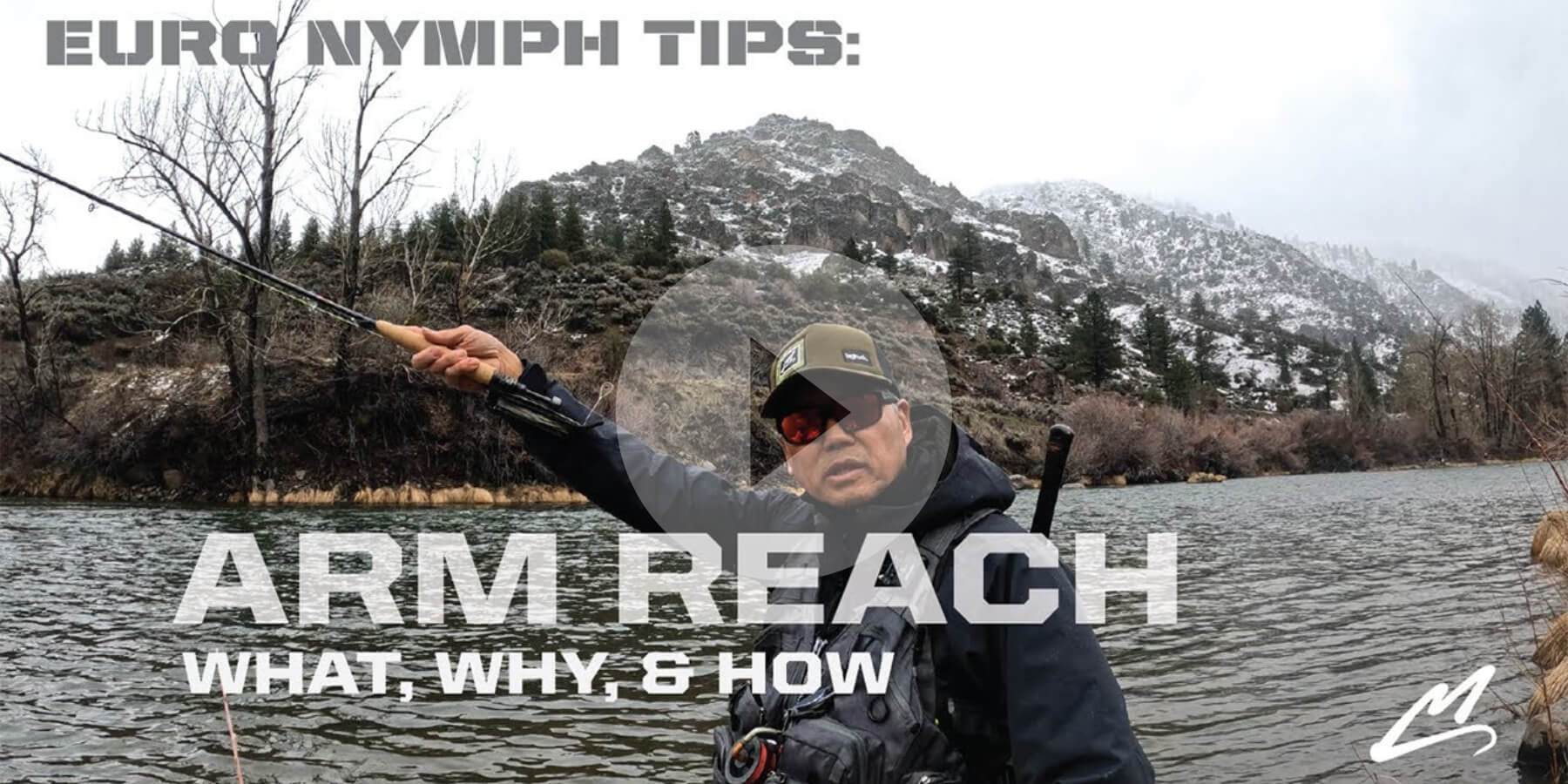
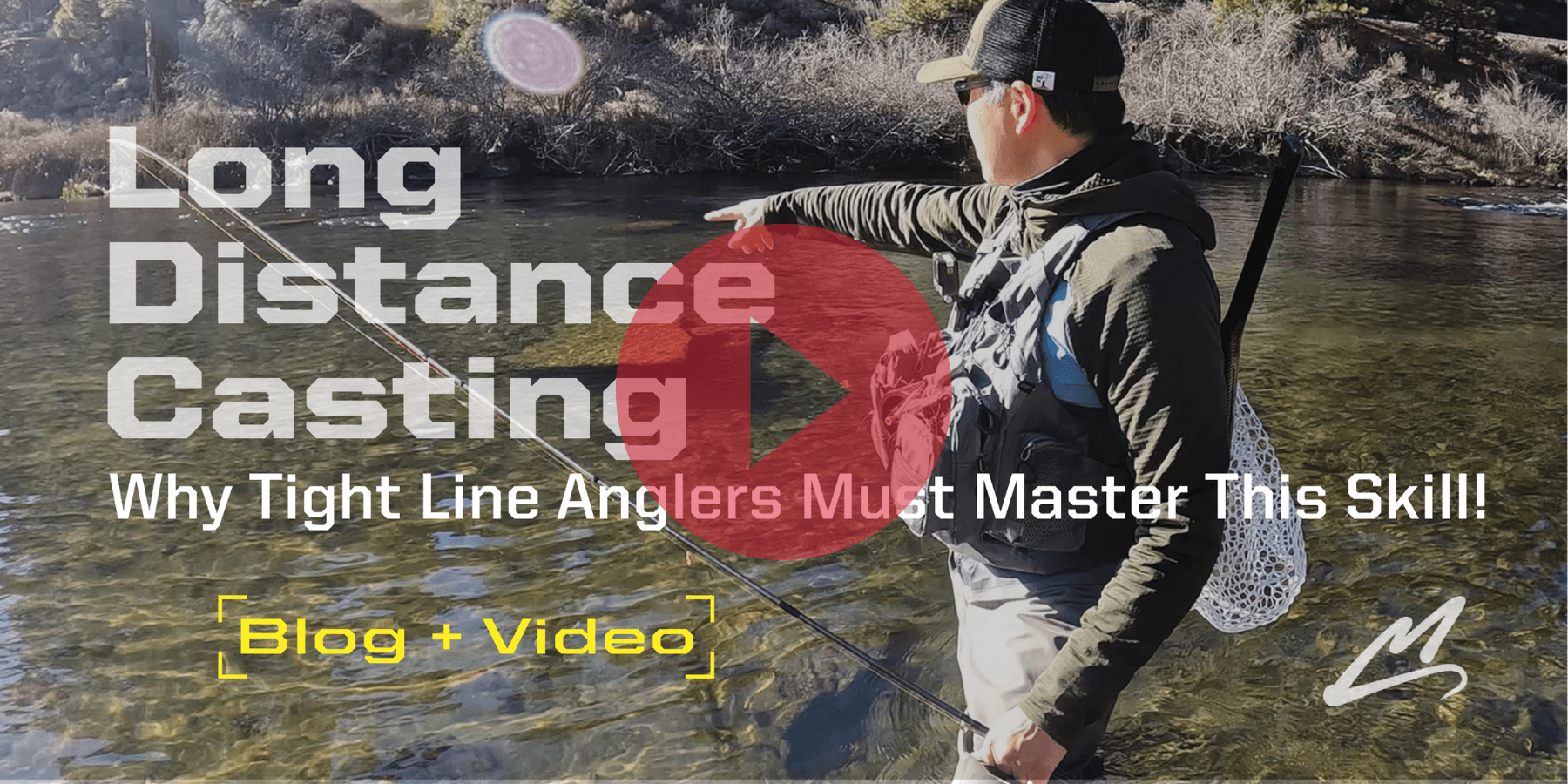
Unlocking the full potential of Euro nymph and Tight-line nymphing techniques requires breaking free from the misconception that they're only suited for short-range fishing. Delve deeper into the art of casting farther, and you'll discover a realm of possibilities that can transform your fishing experience. Here are three compelling reasons why mastering the skill of casting farther is essential for most tight line anglers.
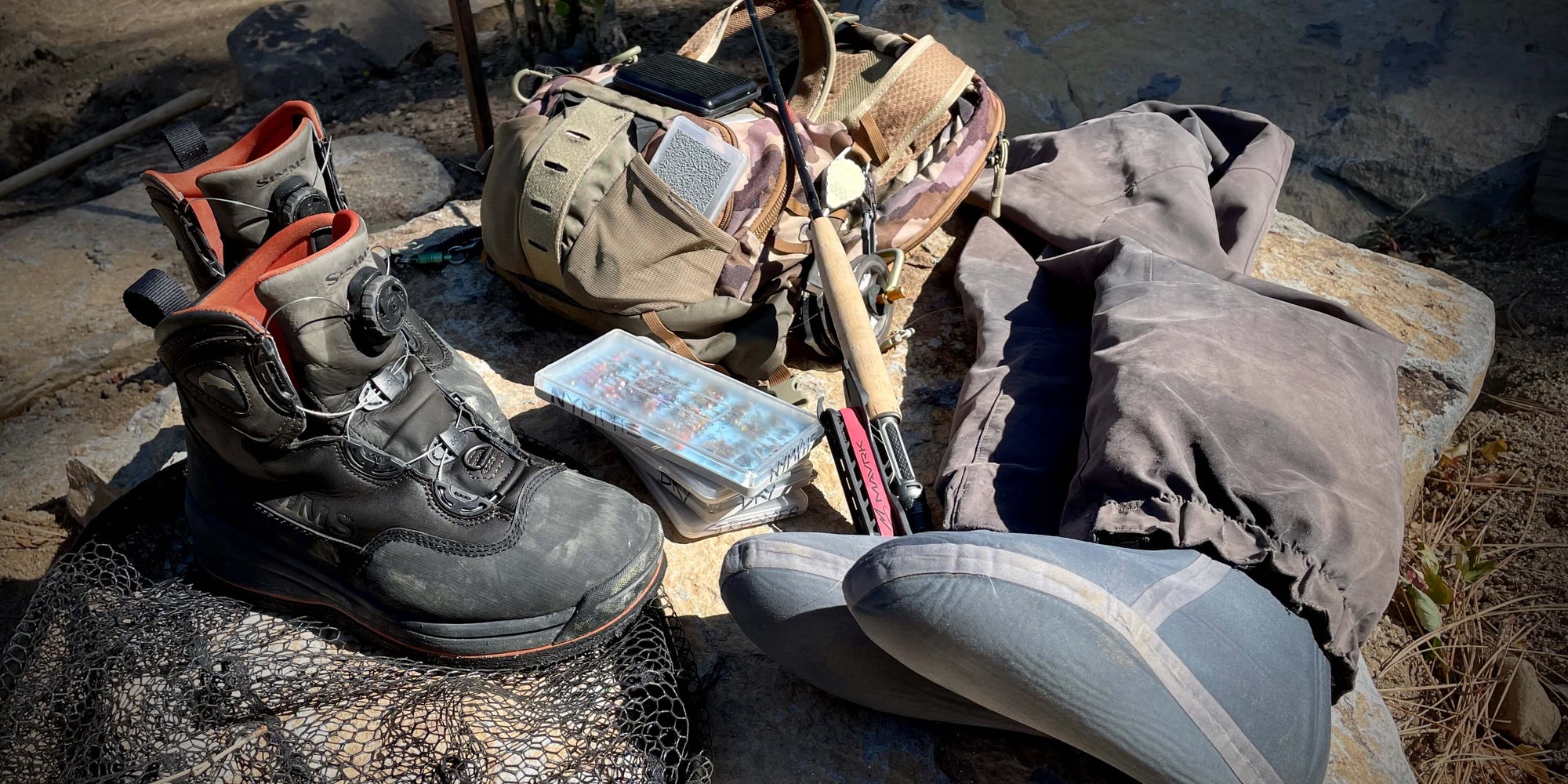
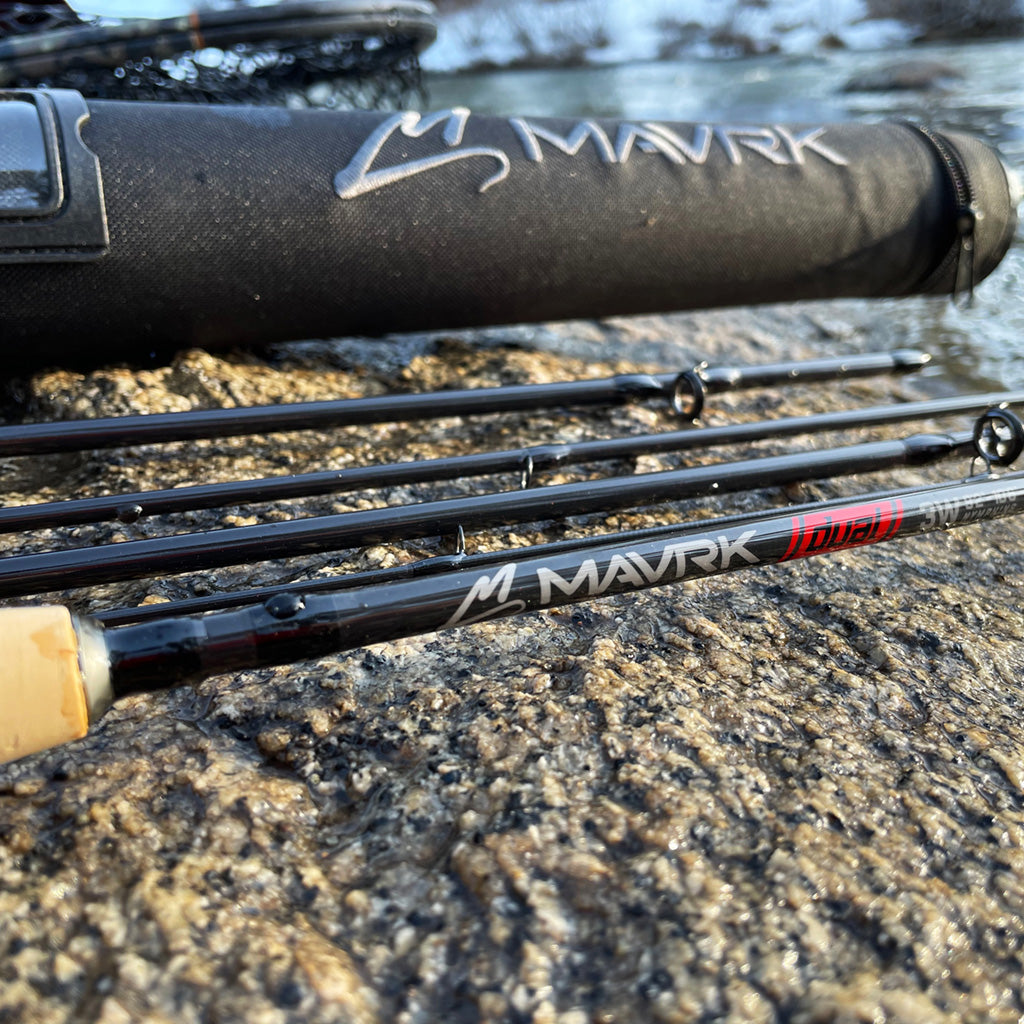
When it comes to fly fishing gear, euro nymphing is the simplest, by far. Yes, it’s specialized gear but for good reason. Choosing ESN gear is easy, especially compared to traditional fly gear. Here are key things you need to know:
Trout fishing's a puzzle, isn't it? To me, it’s less about following the crowd and more about figuring things out on your own. Last week, I had a reality check while out Steelhead fishing—a different game than the high mountain trout fishing I’m more comfortable with.
I got caught up sticking with the “normal” steelhead routine, forgetting about problem-solving altogether. Armed with two 7 wt rods, one with a skagit line and the other with a sinking line- my trusty euro nymph rods would stay in the truck, for now.
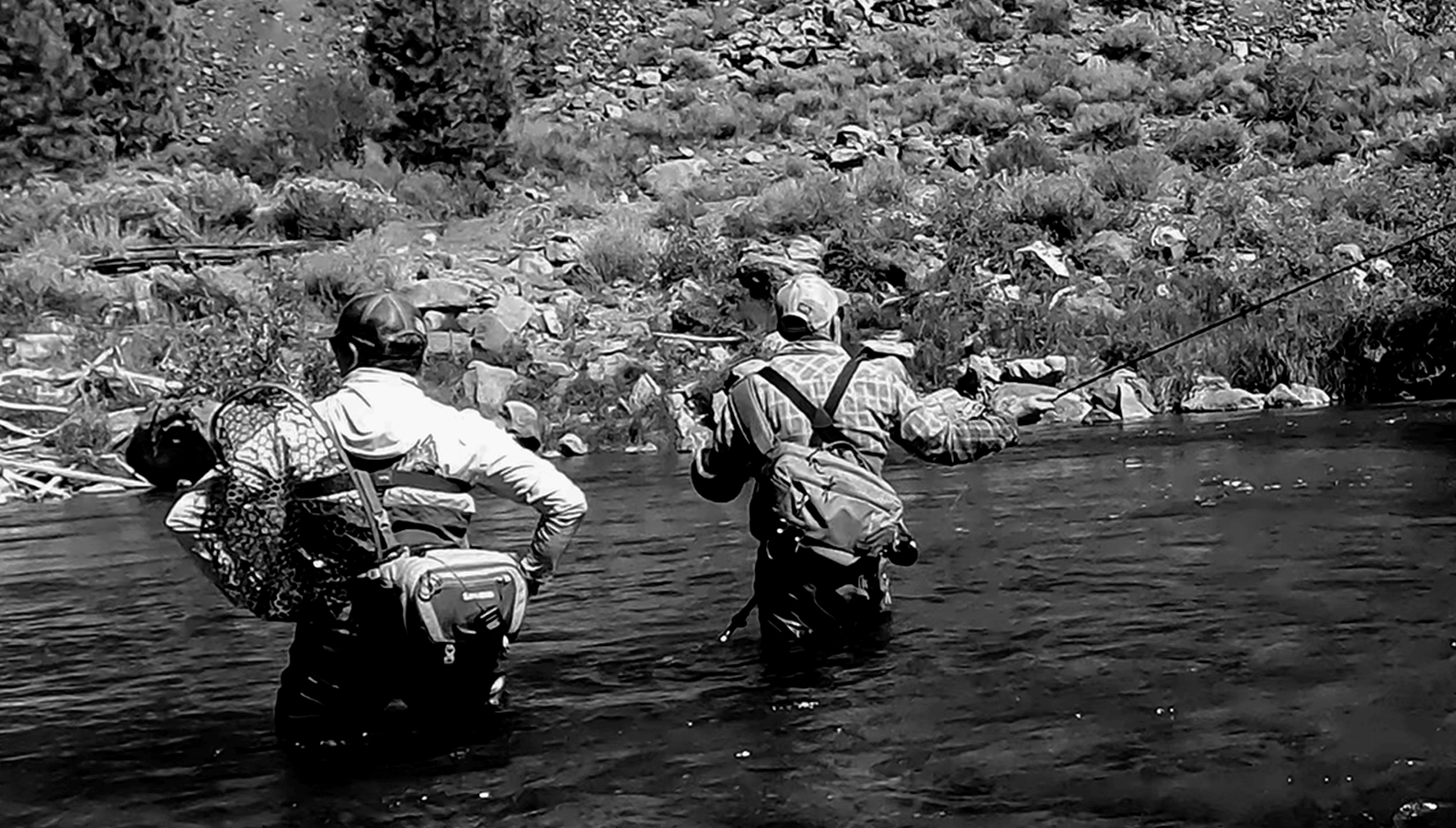
There’s no question that fishing a run behind other anglers in a stream will lower your chances of catching trout.
But when fishing with a buddy or two, someone is always left with mucked up water. I usually don’t mind being that person because I enjoy watching my friends catch fish. I also view it as just an extra challenge to overcome.
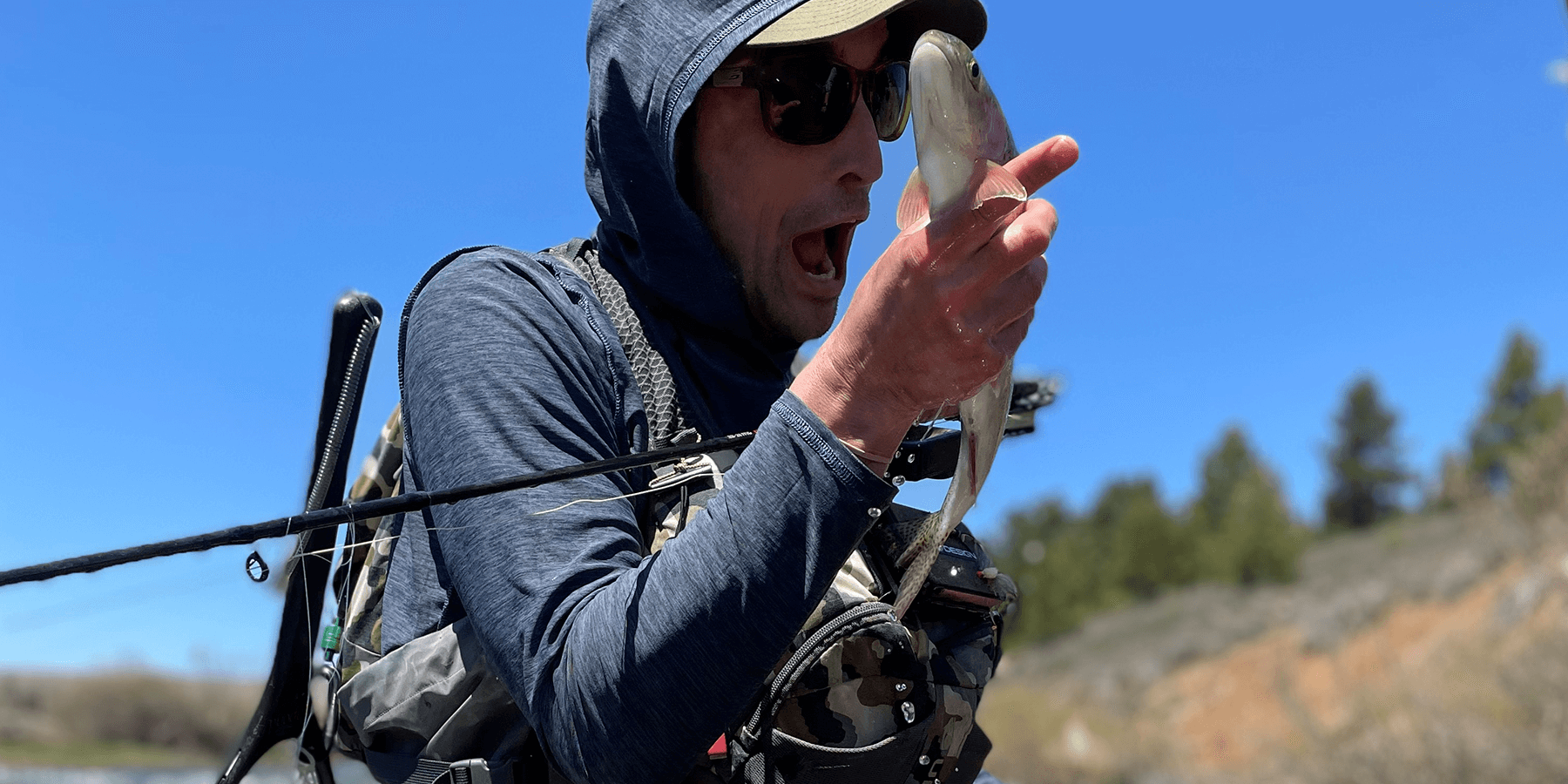
So, you think you have the basic techniques down, and you’re catching a lot of trout using Tight Line techniques. But your fish all seem to be on the small side. You know there are much larger fish in this river, but they don’t seem interested. Why is it that beginners usually catch small fish? Well, unfortunately, it’s not just a matter time before you consistently hook into big trout. You must step up your game. Think and fish differently.
Understanding these 9 Tips will help you advance to the next level and catch larger trout:

So, you drank the kool-aid. You read all the hype on euro nymphing, bought tackle and hit the water. But you’re still not catching fish. What the heck? I can assure you that you’re not alone. In fact, That was me a few years ago. Back then, I didn’t know what I didn’t know; but now I do. So, I’m going to tell you what I was doing wrong and what I see everyone else doing wrong when they start to euro nymph.
It took me about 100 days on the water to figure this all out. For me, that’s only 6 months, for you it might be 10 or 20 years! Let’s fast track it so you can catch fish now.
I’m assume that you understand the basics of trout fishing in moving water
Things like:

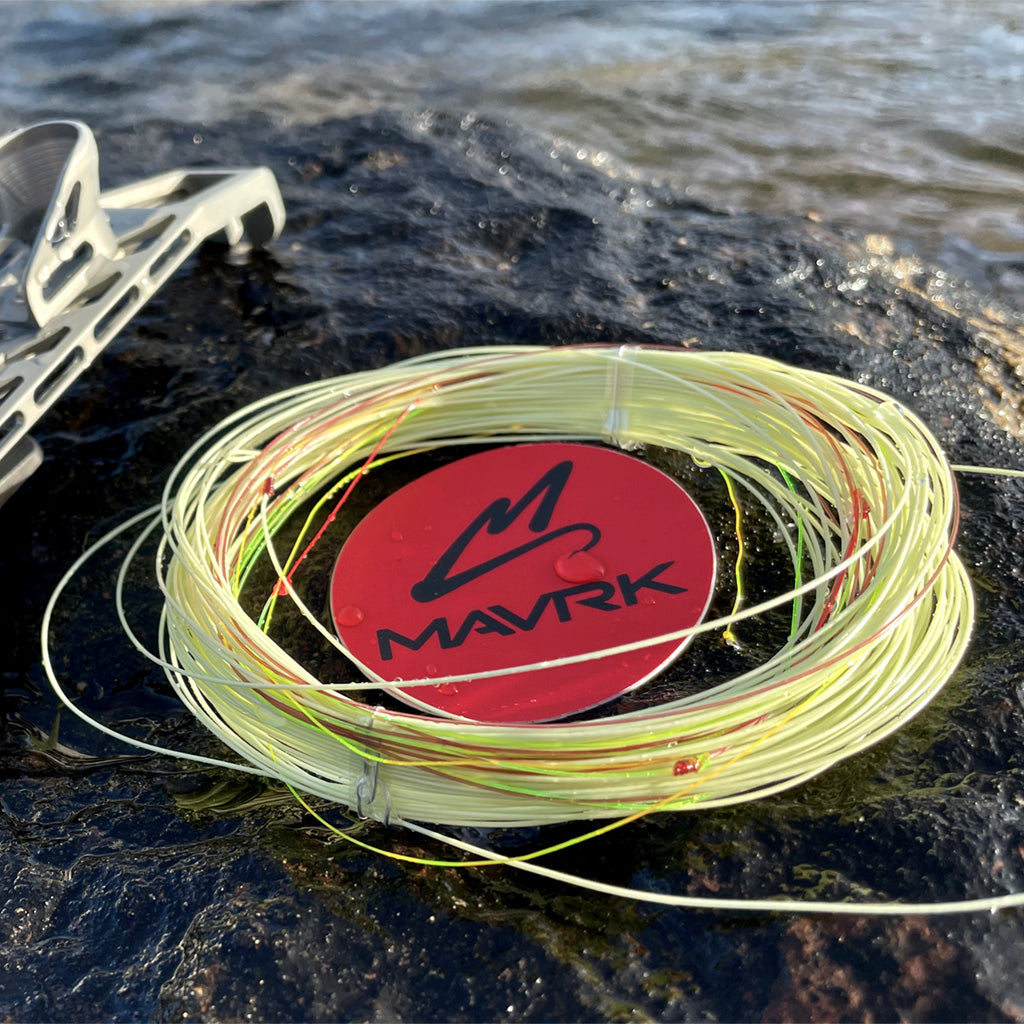
If you’re new to ESN (European Style Nymphing) fly fishing you probably have lots of questions regarding tippet line. There’s very little information out there because tippet setup is specific to types of water, fish, conditions, etc. Here’s how I rig my tippet and why.
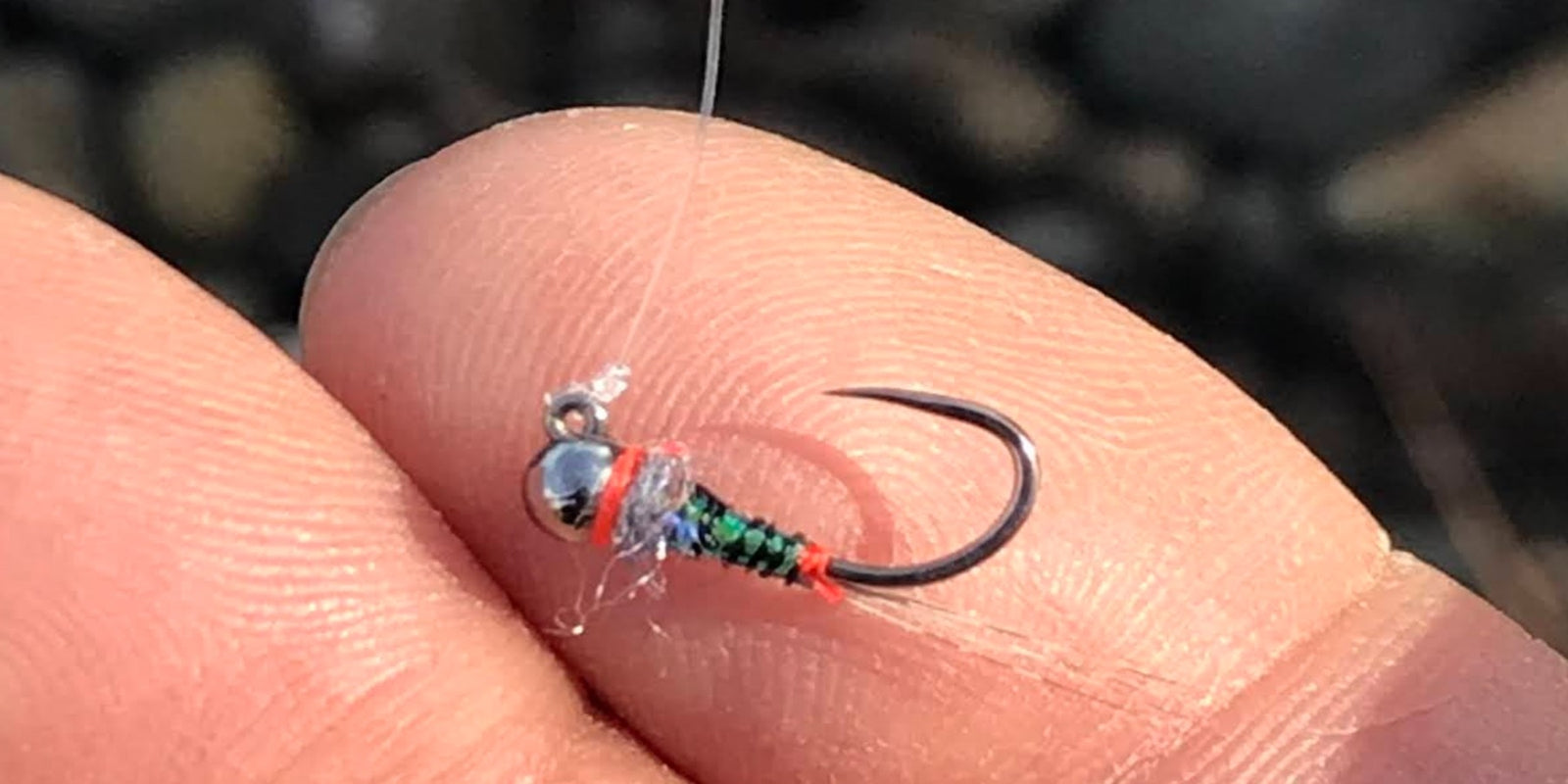
First the basics. Tippet is the thin clear portion of the leader that attaches the fly. It’s thin to cut through the current and minimize drag, and clear to not spook the fish. In Euro-nymphing tippet takes much more abuse because it makes frequent contact with rocks and gravel down at the bottom, so fluorocarbon is used because it is more abrasion resistant than nylon. And because fluorocarbon it tougher I can use thinner tippet than Nylon.