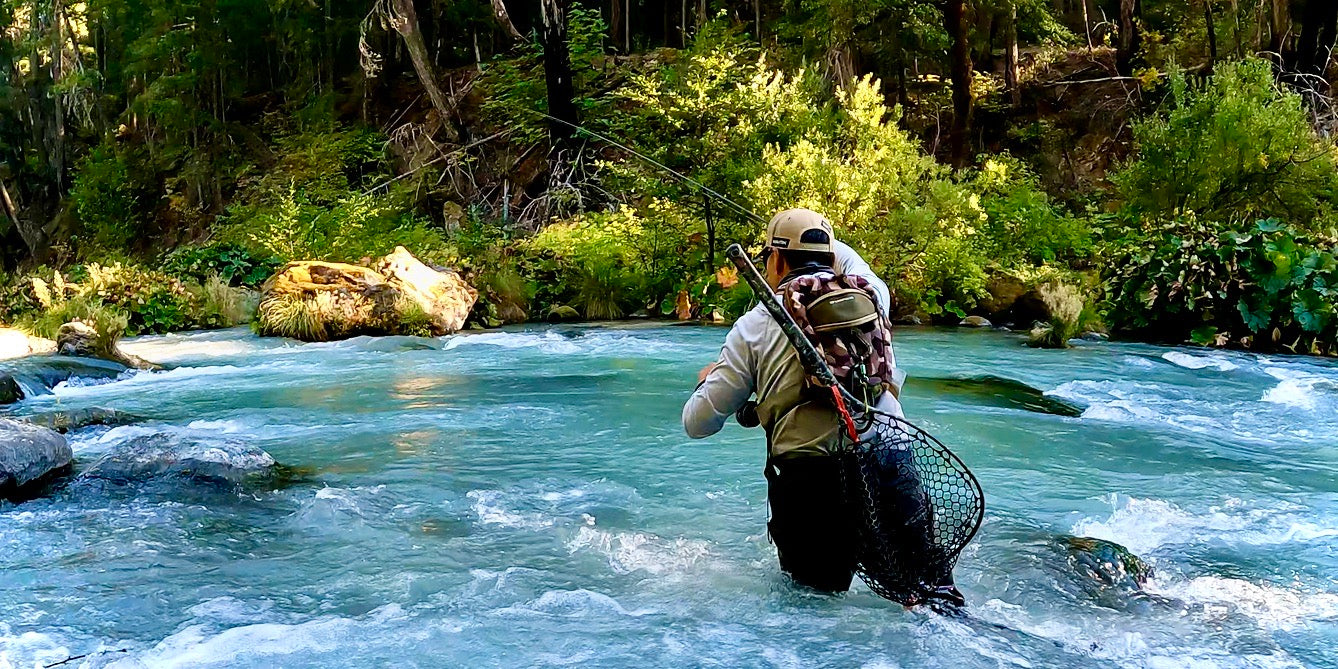









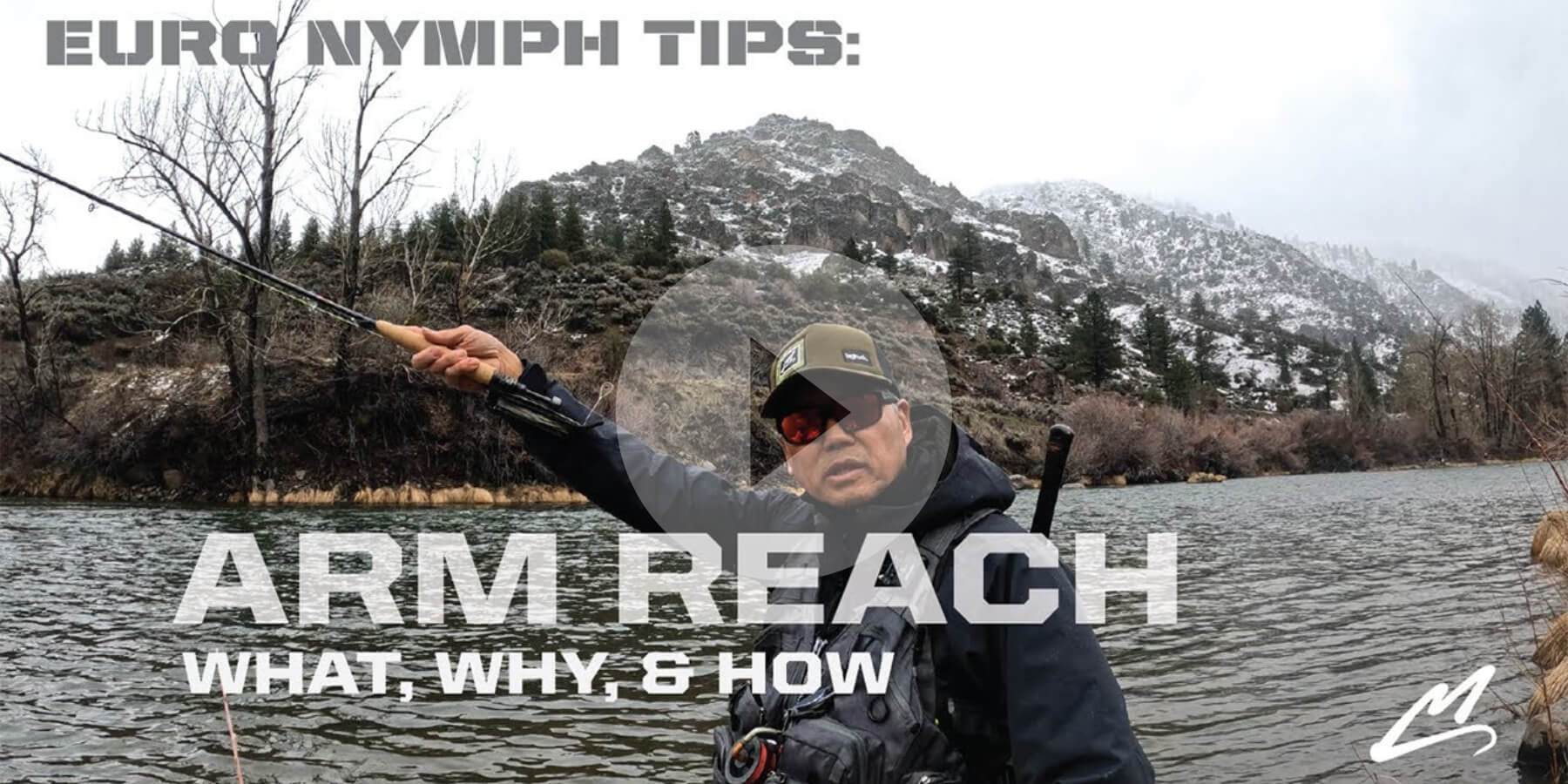
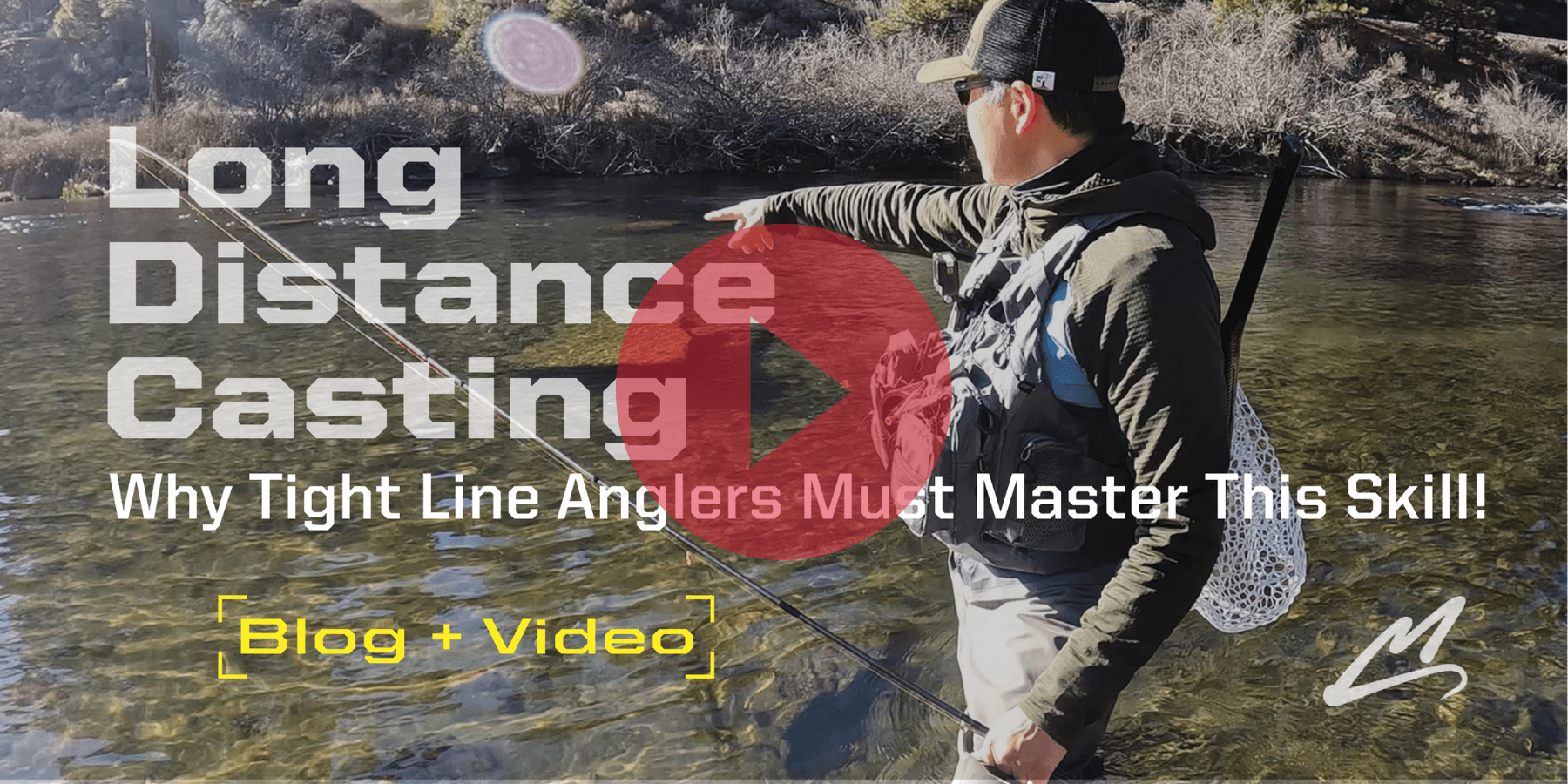
Unlocking the full potential of Euro nymph and Tight-line nymphing techniques requires breaking free from the misconception that they're only suited for short-range fishing. Delve deeper into the art of casting farther, and you'll discover a realm of possibilities that can transform your fishing experience. Here are three compelling reasons why mastering the skill of casting farther is essential for most tight line anglers.
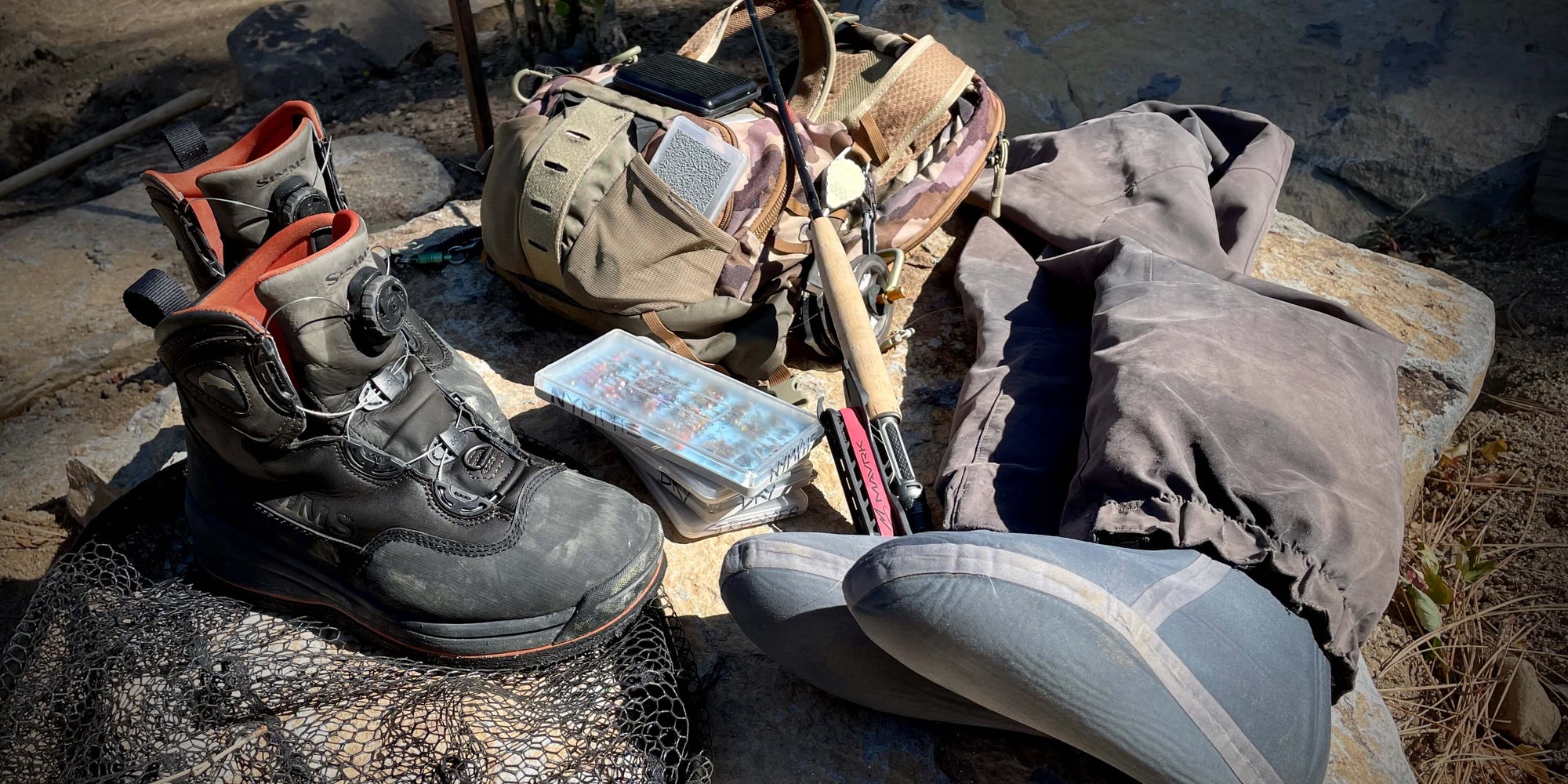
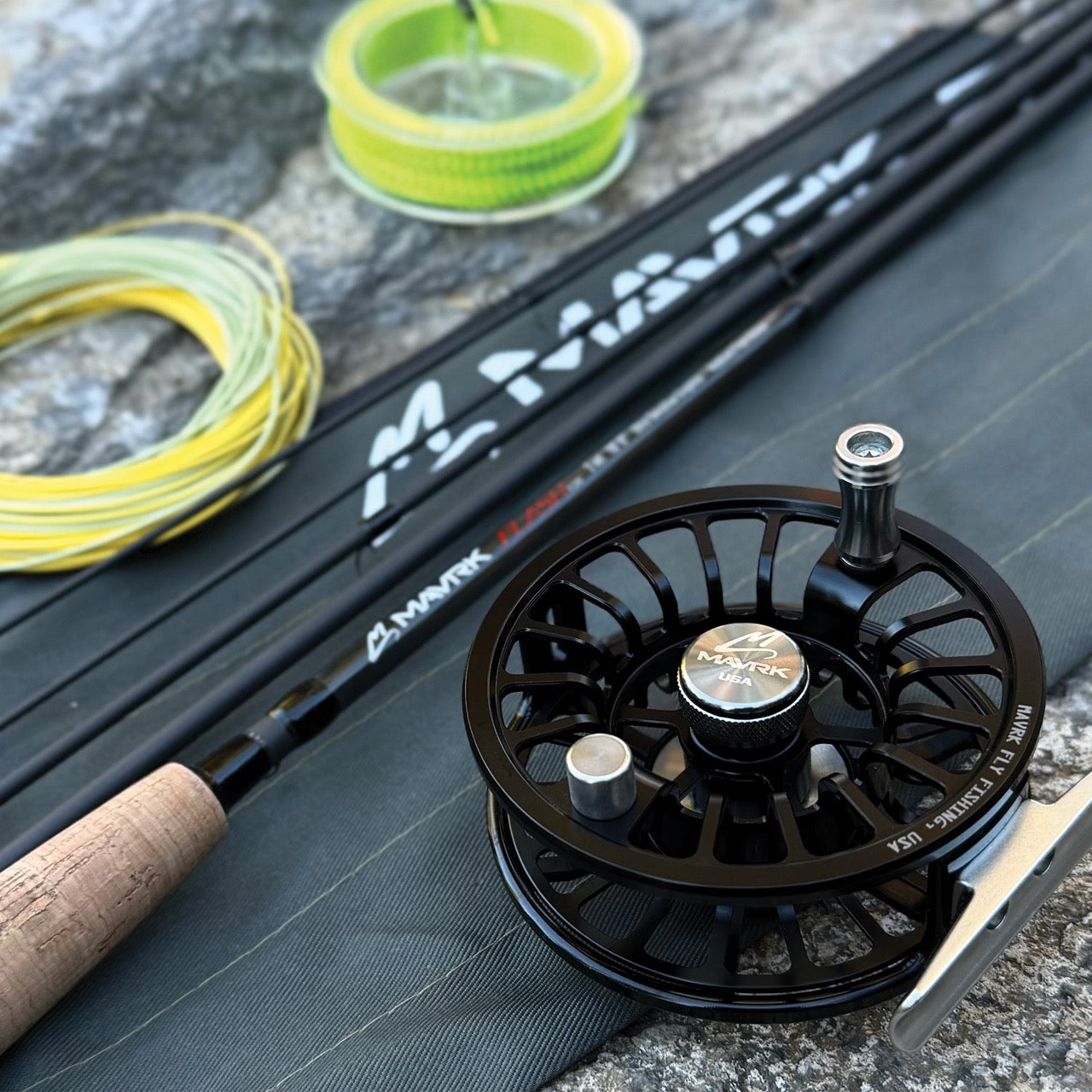
When it comes to fly fishing gear, euro nymphing is the simplest, by far. Yes, it’s specialized gear but for good reason. Choosing ESN gear is easy, especially compared to traditional fly gear. Here are key things you need to know:
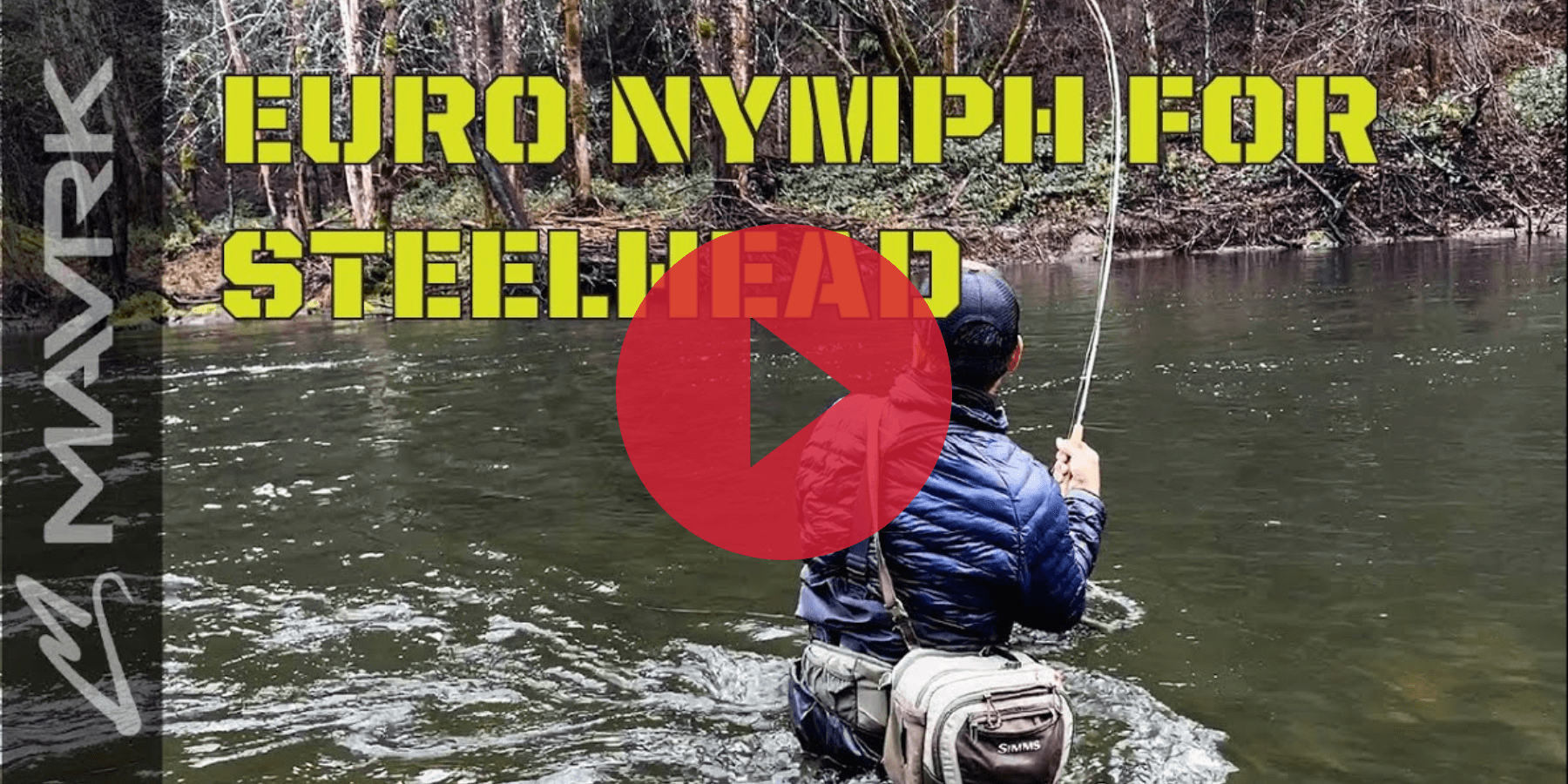
Trout fishing's a puzzle, isn't it? To me, it’s less about following the crowd and more about figuring things out on your own. Last week, I had a reality check while out Steelhead fishing—a different game than the high mountain trout fishing I’m more comfortable with.
I got caught up sticking with the “normal” steelhead routine, forgetting about problem-solving altogether. Armed with two 7 wt rods, one with a skagit line and the other with a sinking line- my trusty euro nymph rods would stay in the truck, for now.
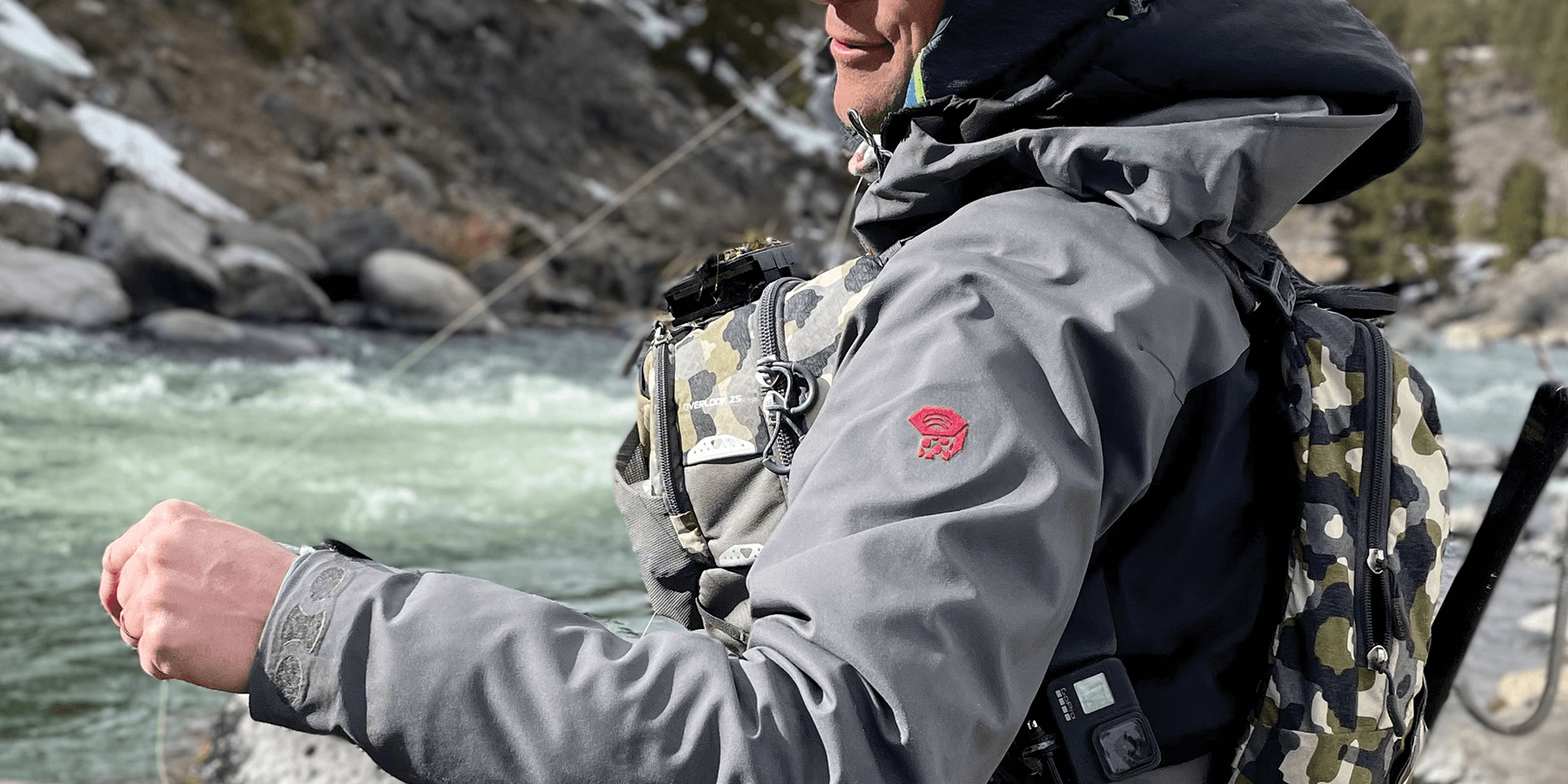
Both the mono Rig and ESN (Euro Style Nymphing) fall under the umbrella of Tight Line Nymphing. Both utilize long leaders suspended above the water’s surface for a better dead drift, with less drag than a floating line set up- Often referred to as “High Sticking.” But what’s the difference between the two systems, and which is better?

So, you drank the kool-aid. You read all the hype on euro nymphing, bought tackle and hit the water. But you’re still not catching fish. What the heck? I can assure you that you’re not alone. In fact, That was me a few years ago. Back then, I didn’t know what I didn’t know; but now I do. So, I’m going to tell you what I was doing wrong and what I see everyone else doing wrong when they start to euro nymph.
It took me about 100 days on the water to figure this all out. For me, that’s only 6 months, for you it might be 10 or 20 years! Let’s fast track it so you can catch fish now.
I’m assume that you understand the basics of trout fishing in moving water
Things like:


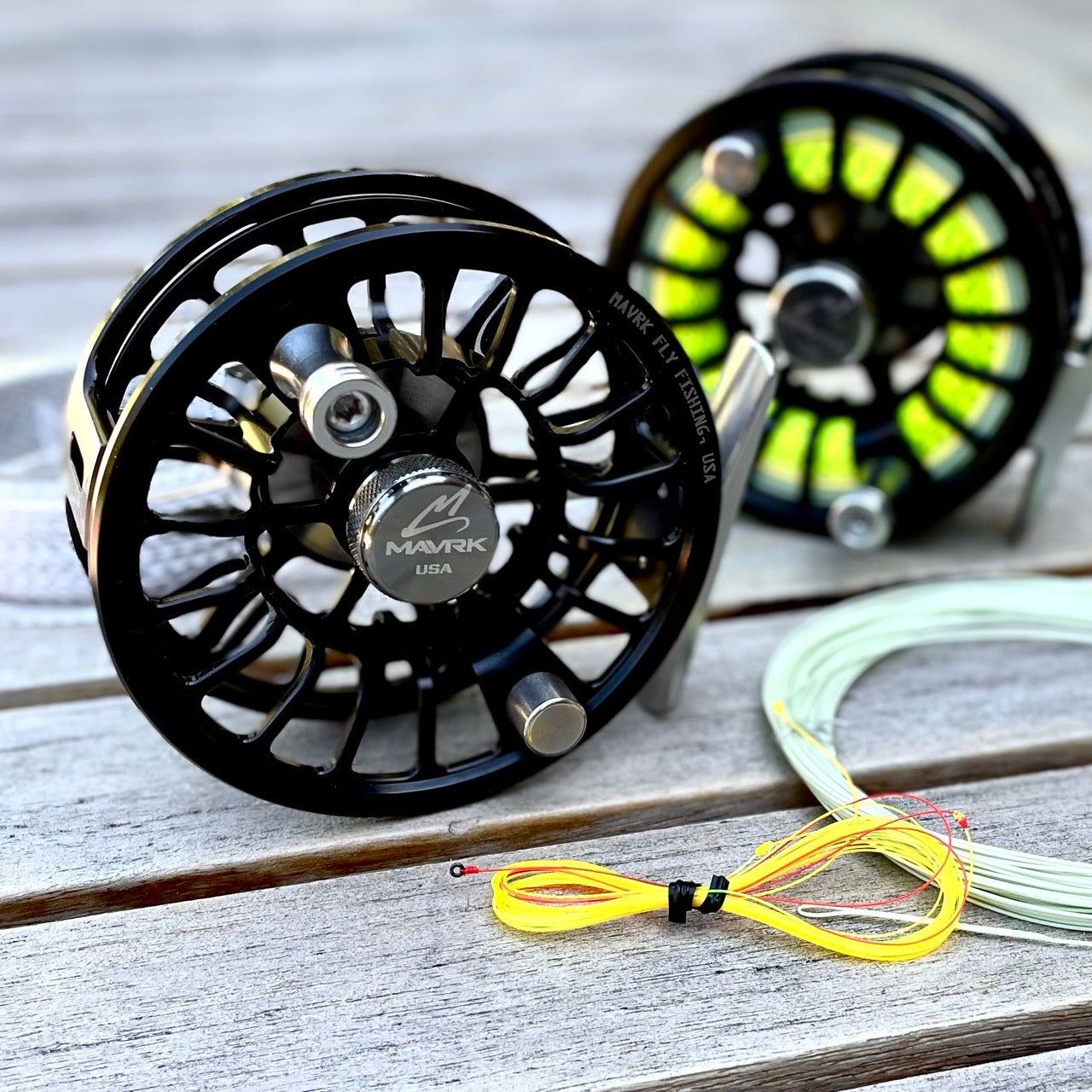
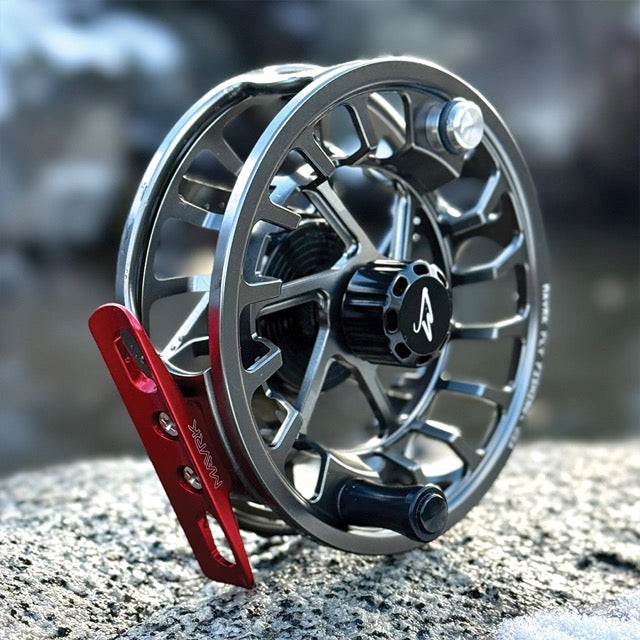
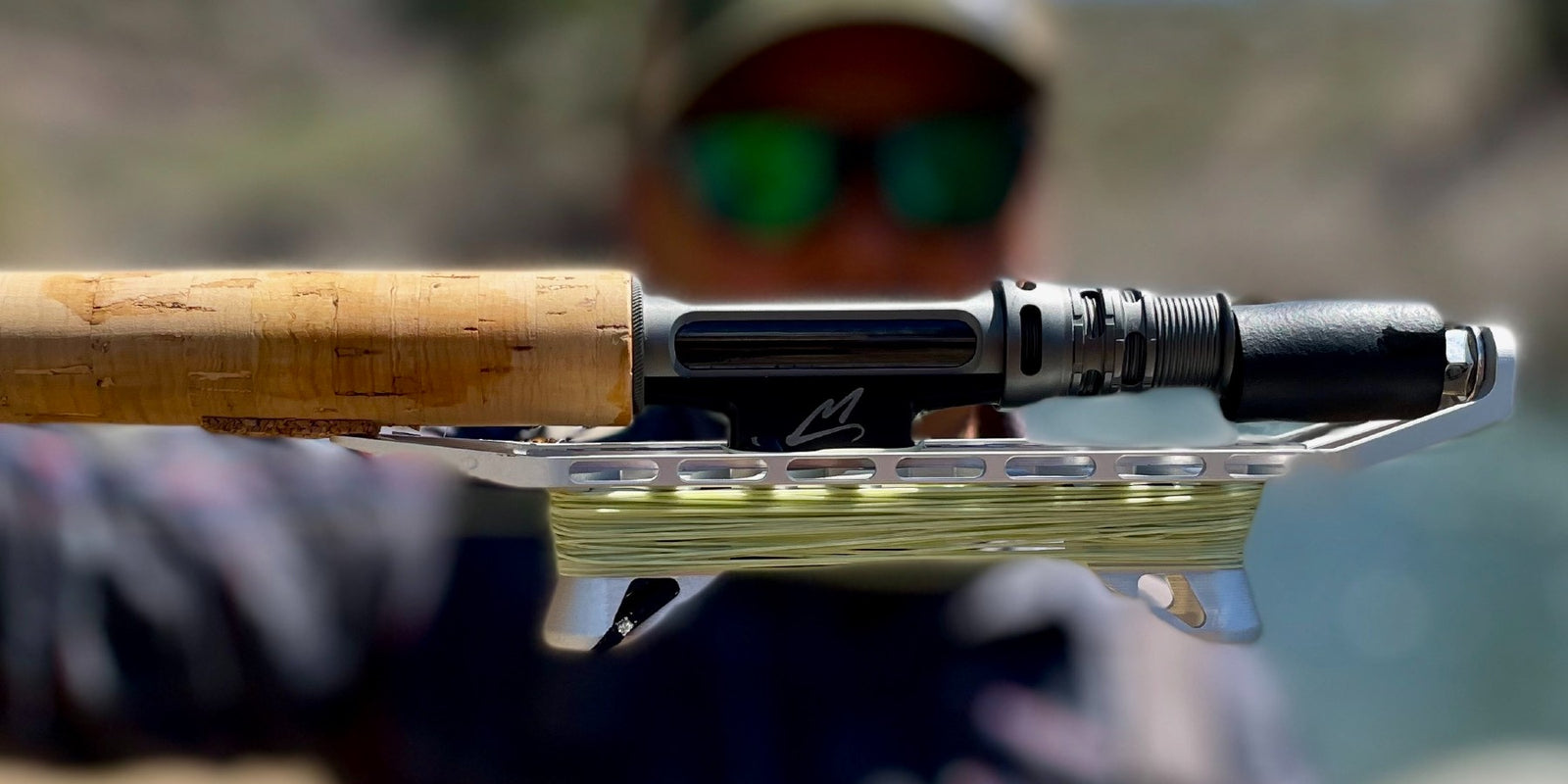
I designed the Stinger reel to save weight. People ask “why,” so I wrote this because I realized that the answers are not so obvious, especially to those who have been fishing the same way for decades.
Lightweight and high performance are synonymous terms with regards to competitive sports equipment- the world I came from. Lightweight almost always improves performance because mass and inertia are your enemies when trying to increase quickness, accuracy and or maximize endurance. But what does high performance have to do with fly fishing? Lots.